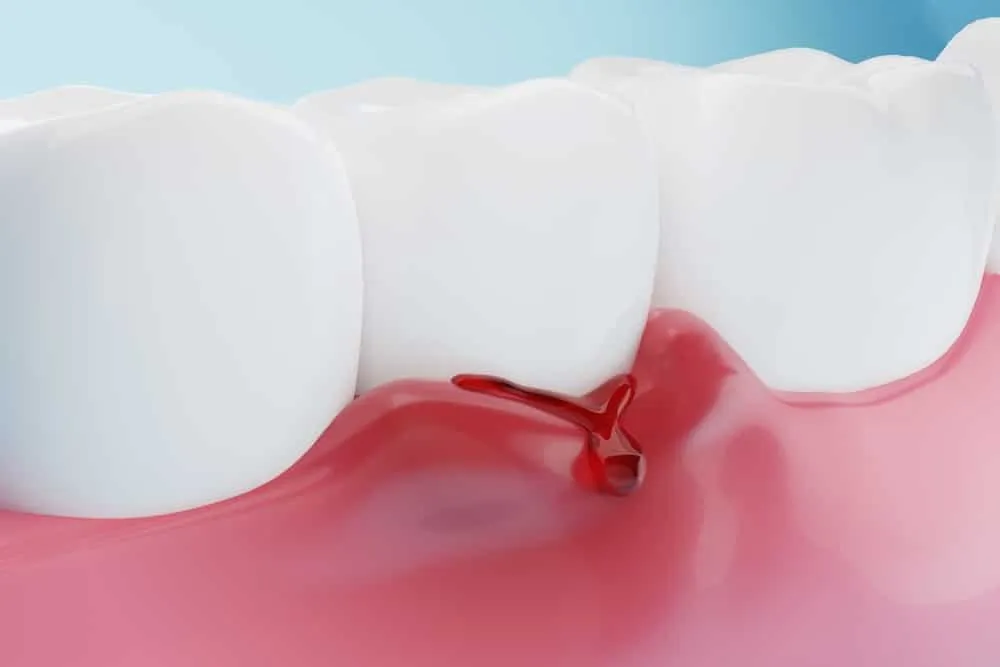
Noticing a bit of blood when you brush or floss? You’re not alone. Bleeding gums are one of the most common concerns patients mention at Cheltenham Dental. And while it might seem minor, your gums are actually giving you an important message.
Healthy gums don’t bleed. So if yours are, it’s a sign that something needs attention.
Let’s take a closer look at what could be causing your gums to bleed, and what you can do to improve your gum health.
Common reasons gums bleed
1. Gingivitis
This is the earliest stage of gum disease. It happens when plaque builds up along the gumline, irritating the tissue. The result? Red, swollen, or tender gums that may bleed when you brush or floss. Gingivitis is very common, but the good news is that it’s reversible with proper care.
2. Brushing or flossing too hard
It’s great to clean thoroughly, but you don’t need to scrub. Using a hard-bristled toothbrush or brushing too forcefully can actually damage the delicate gum tissue. The same goes for aggressive flossing. A gentle, consistent approach works best.
3. Not flossing regularly
Ironically, gums can bleed more when you start flossing again after a break. That’s because the tissue is inflamed from plaque buildup. Keep going gently each day — within a week or two, your gums will usually adapt and stop bleeding.
4. Poorly fitting dental appliances
Dentures, retainers, or even fillings and crowns that don’t fit quite right can rub and irritate the gums, leading to inflammation and bleeding. If something feels off, it’s worth having it checked.
5. Health conditions or medications
Certain medical conditions and medications, including diabetes, blood thinners, and hormonal changes, can affect how your gums respond. Let us know about any changes to your health so we can tailor your care safely.
Why it’s important not to ignore bleeding gums
Bleeding gums might seem like a small issue, but they can be an early sign of gum disease. If left untreated, gum disease can progress to periodontitis, a more serious condition that can cause bone loss, loose teeth, and even contribute to other health problems in the body.
That’s why it’s so important to catch the signs early. The sooner we address it, the easier it is to treat.
What you can do at home
Brush twice daily using a soft-bristled toothbrush
Floss gently every day — consistency is key
Use an antibacterial mouthwash if recommended
Stay hydrated and eat a balanced diet
Avoid smoking, which increases your risk of gum disease
And of course, come and see us regularly for professional cleans and check-ups. We can remove hardened plaque (tartar) that brushing alone can’t shift, and check that your gums are staying healthy.
Let’s take care of your gums, together
If your gums are bleeding, sore, or just don’t feel right, it’s a good idea to book a visit. Our team will take the time to understand what’s going on and help you get back on track with simple, gentle care.
Healthy gums are the foundation of a healthy smile, and we’re here to help you protect both.